Wasps · 2 min read
Wasp Nest in Your Roof: What to Do Before You Do Anything
A steady stream of wasps through one small gap usually means a nest is close. This guide covers the safe response, the common mistakes and the point at which an expert should step in.
Seeing wasps disappear into the roofline of your house is unsettling, particularly when children play in the garden or someone in the family reacts badly to stings. What you decide in the first hour matters more than most people expect.
Keep your distance and keep still
The worst thing you can do is poke, plug or spray an active nest. A colony defends itself in seconds, and disturbed wasps can pour out in large numbers. Move children and pets indoors, close nearby windows and stay clear of the line the insects fly along.
Where nests turn up in London homes
- Loft spaces, fascias, eaves and soffit boards
- Cavity walls near air bricks and vents
- Sheds, garages and garden stores
- Old rodent holes and cracks in banks or lawns
- Dense hedges, climbers and mature trees
Check you really have wasps
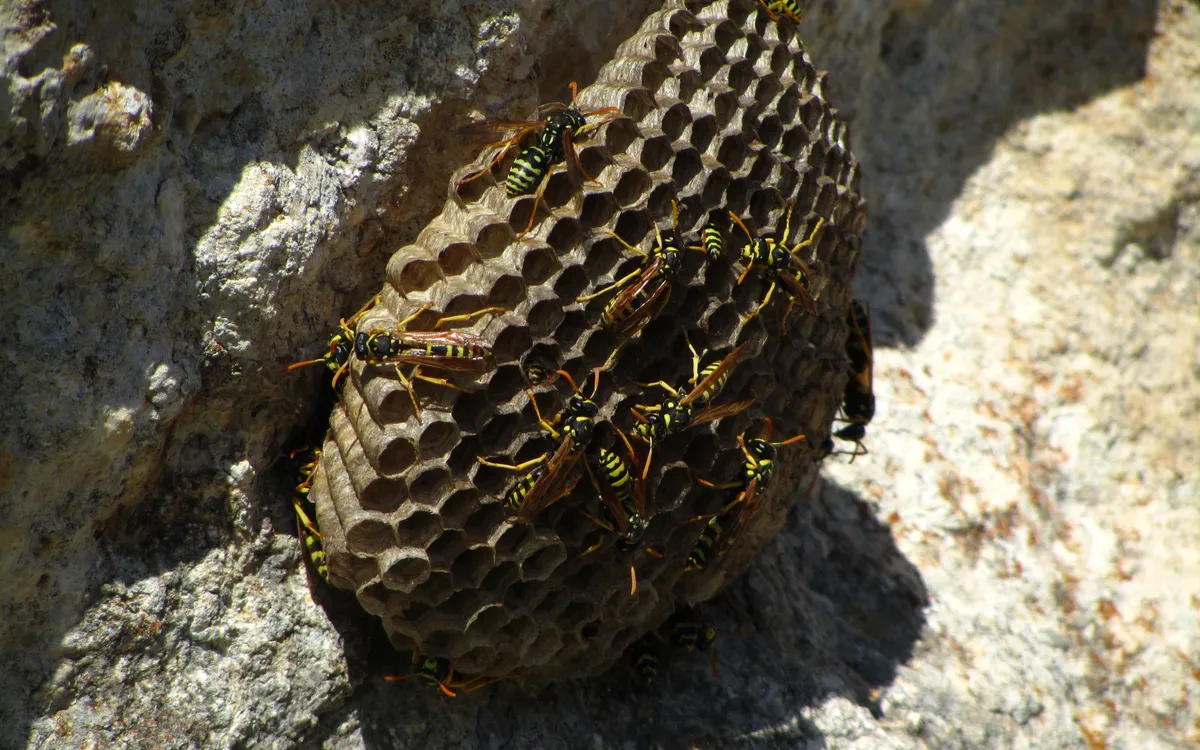
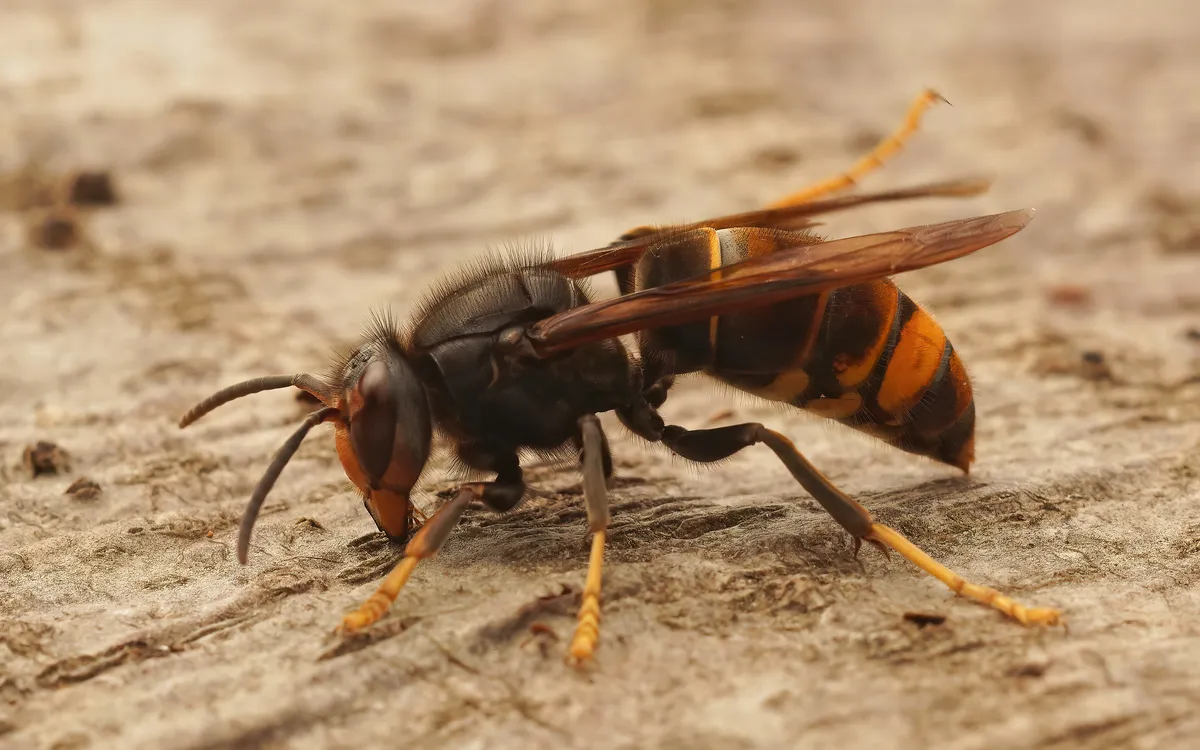
Wasps are slim and glossy with bold black and yellow bands, and their nests look like grey papier-mache. Honey bees and bumblebees are plumper and hairier. Bees are important pollinators and are handled differently, so photograph the insects from a safe distance and get a second opinion if you have any doubt.
Can you simply leave it?
Sometimes. A nest lasts one season only, and the whole colony dies off when the cold arrives (our guide to how a wasp colony grows and dies explains the cycle). A nest high in a tree, far from doors and patios, can often be ignored. One in a loft, wall cavity or beside a doorway is a different matter and is best dealt with early.
Why DIY nest removal goes wrong
- A mature nest can hold several thousand insects
- Stings on a ladder lead to falls, which cause more harm than the stings
- Over-the-counter sprays can leave angry survivors and an intact nest
- A sting in the mouth or throat, or a severe allergy, is a medical emergency
What a professional visit involves
A trained technician finds the nest, wears full protective kit and applies a treatment suited to its size and location. Stragglers often return to the spot for a day or two, so the nest should not be disturbed. Where needed, the nest is removed and the entry point is closed to discourage a repeat.
First aid for stings
- Move away from the nest at a steady pace
- Clean the sting with soap and water and apply something cold
- Ease the itch with an antihistamine or hydrocortisone cream
- Dial 999 straight away for breathing trouble or swelling of the face, lips, tongue or throat
Stopping a repeat next spring
Queens look for dry, undisturbed gaps in spring. Seal cracks along the roofline, mesh over air bricks and inspect lofts and outbuildings in April and May. If a nest does appear, our wasp nest removal in Acton service runs seven days a week, and you can ask for a free quote online.