Bed Bugs · 2 min read
Bed Bug Treatment: A Six-Step Plan for Your Bedroom
Heat, careful vacuuming, steam and doing things in the right order all make a difference. This plan shows what you can do yourself and where it stops being enough.
Finding bed bugs is distressing, but a methodical approach gets results. Here is a sensible order of tasks, along with an honest note on when calling a specialist is the smarter move.
Step 1: Confirm what you have
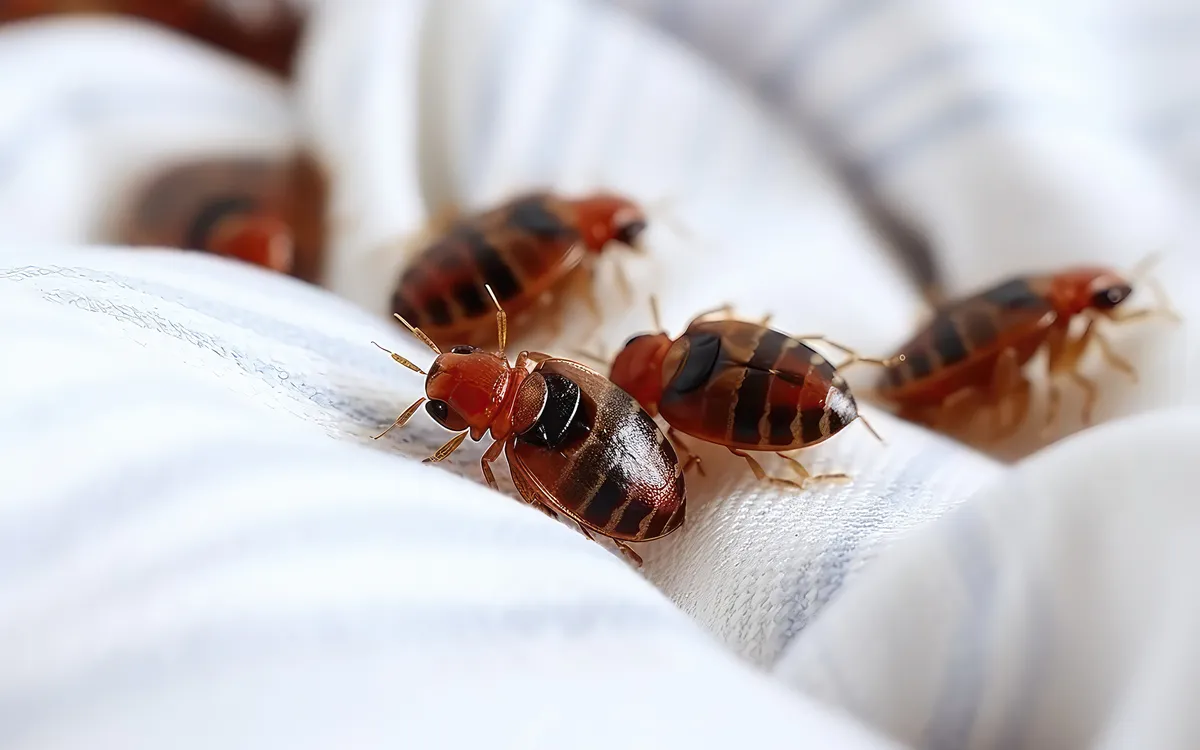
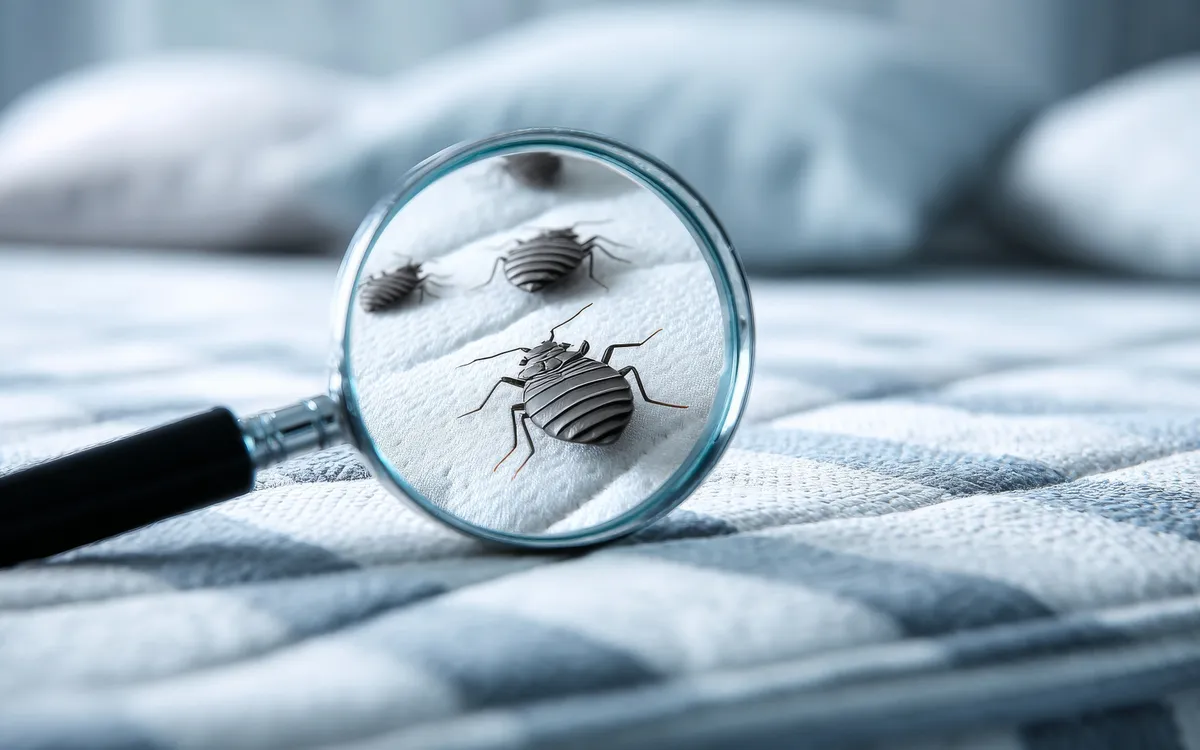
Shine a torch along mattress seams, the bed frame, the headboard and the gaps behind skirting boards. Look for live bugs, small pale eggs, cast skins and tiny dark flecks. Sliding a stiff card through crevices can dislodge hidden insects, and interceptor dishes under the bed legs show whether anything is climbing up.
Step 2: Contain the problem
- Do not move bedding or clothes between rooms in the open
- Bag items tightly before carrying them anywhere
- Resist moving to the sofa or a spare room, since that can spread the bugs
- Wrap a mattress before throwing it out so nothing drops off on the way
Step 3: Use high heat on fabrics
Wash bedding, curtains and clothing at 60 degrees, then tumble dry on a hot setting for at least half an hour. Heat kills every stage, eggs included. Freezing can also work, but items must stay at around minus 18 degrees for days, which many home freezers cannot manage.
Step 4: Vacuum, then steam
Work slowly along seams, frames, skirting boards and soft furniture with a vacuum, then seal the contents in a bag and bin it outdoors. A steam cleaner moved at a slow pace reaches into fabric and cracks without chemicals, although it cannot reach every hiding place.
Step 5: Fit mattress and divan encasements
Zipped covers lock in any bugs that remain and remove hiding spots. Leave them on for at least a year, as bed bugs can survive many months without feeding.
Step 6: Reduce the places they can hide
- Clear everything stored under the bed
- Move the bed slightly away from the wall
- Stop bedding trailing on the floor
- Fill cracks in plaster and around skirting boards
Why home treatment often fails
Bed bugs slip into very narrow gaps, their eggs hatch at different times and some populations tolerate common shop-bought sprays. Foggers and aerosols can scatter them into neighbouring rooms. That is why a proper inspection, a targeted treatment and a return visit usually work better than a do-it-yourself attempt.
Afterwards
Keep monitoring for several weeks, leave encasements in place, and check suitcases and second-hand furniture before they enter the house. If you want expert help, our Acton technicians provide bed bug treatment with a free, no-obligation quote. If you are new to the topic, begin with how bed bugs live, feed and spread.